
If you’re a parent, a teacher or a mentor, you spend a lot of time helping children grow up safe, kind and sure of themselves. So here’s a question worth asking at dinner tonight:
Does your child know they have rights?
- The right to learn
- The right to say what they think
- The right to clean water, a safe home and a healthy planet
- And quite a few more
Every year on 20 November, World Children’s Day marks the anniversary of the UN Convention on the Rights of the Child, which was adopted in 1989. It’s a day to celebrate childhood, to listen to what children have to say, and to show them they can help shape the world they live in.
At AMALY KidsClub, learning about rights is part of how we build identity and values, one of the pillars of our programme. Kids who know their rights tend to understand other people better, take more responsibility, and look after themselves, each other and the planet.
A newer right: a clean environment
Since 2023 there’s a right that fits our club especially well. The UN Committee on the Rights of the Child published General Comment No. 26, which spells out that every child has the right to a clean, healthy and sustainable environment.
In practice that means:
- Breathing clean air
- Drinking safe water
- Growing up without pollution
- Learning how to protect nature
- Having a say in decisions about their future
These aren’t wishes. They’re rights. And children can lead, invent and solve problems when we give them room to speak and act.
A small tip: when you teach your child to look after the environment, you’re also teaching them to stand up for their rights, and for other people’s.
How to mark World Children’s Day
You don’t need anything fancy. Here are three ideas that work at home, at school or anywhere else.
Talk about their rights
Start a relaxed conversation that suits their age, something like: “Did you know that children all over the world have special rights?”
Then use everyday things to make it concrete:
- A book is the right to learn
- A clean garden is the right to a healthy environment
- A family is the right to love and protection
You can read the illustrated, child-friendly version of the Convention together. The link is at the bottom of this page.
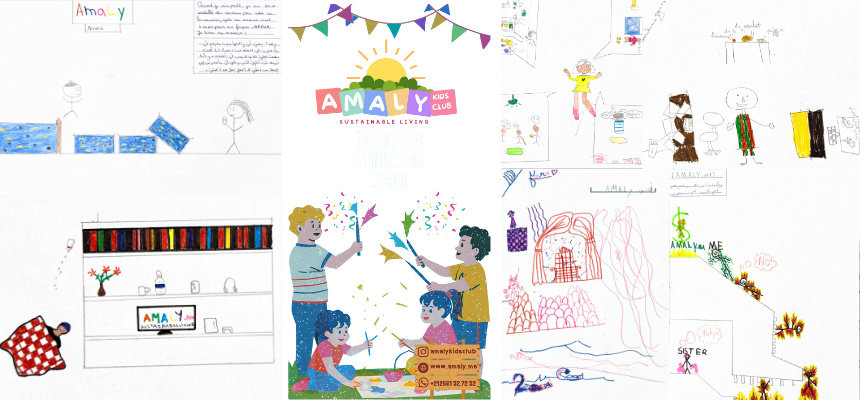
Draw what rights look like
Ask your child to draw what one of these rights means to them. A few starting points:
- A classroom for the right to education
- A river and some trees for the right to a clean environment
- A house full of hugs for the right to love and protection
Watch and talk together
UNICEF made a short, kid-friendly video that explains children’s rights. Watch it together, then ask what surprised them or what they liked. The link is below.
Every day is Children’s Day
We like to think every day should feel a bit like 20 November. When children feel heard, respected and included, they’re more likely to help others, speak up when something isn’t fair, care for nature, and grow into the kind of problem-solvers the world needs.
Free resources to explore (in English)
- Children’s rights, child-friendly version of the Convention: download the illustrated PDF
- Video, children’s rights explained for kids: watch on UNICEF Parenting
- UNICEF activity booklet: download the activity booklet
- General Comment No. 26, child-friendly version: read about children’s rights and the environment
One last thought
Let’s raise kids who know their rights and use them to make the world a little greener and fairer. When children know they matter, they look after the planet too.
Leave a Reply